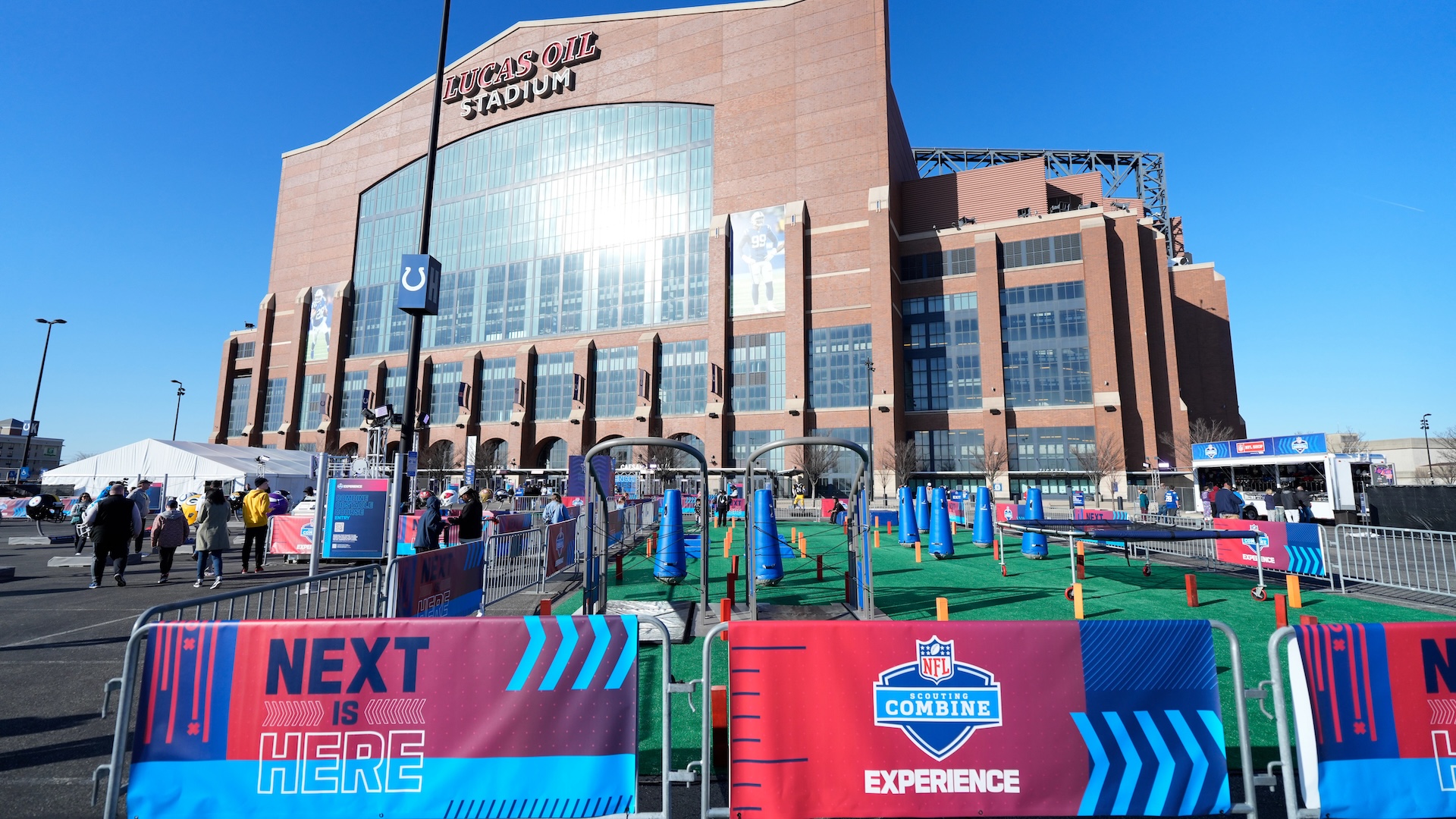
The Rams pioneered the trend of having top decision-makers skip attending the NFL Scouting Combine in Indianapolis. General manager Les Snead and head coach Sean McVay haven’t attended since 2021—and it’s worked out well for them. Other teams have followed suit, with some high-profile people either not attending at all or going to Indy briefly before leaving.
For 2026, the Jaguars are not sending general manager James Gladstone, head coach Liam Coen, or executive vice president of football operations Tony Boselli to the Combine. Gladstone came over from the Rams, so he’s seen this path work.
So, why is it that some making huge decisions in the draft are foregoing what’s been an NFL mainstay for over four decades?
To start, not attending the Combine helps ensure you don’t put too much value into it. College game film tells a story—not only for a player’s skill level but their effort. You don’t want to be bringing in a bunch of reckless people into your organization, but in terms of scouting the player, it should undoubtedly start and end with the film.
There are things you can’t glean from the game film alone, and going to the Combine to talk to prospects and see how they interact in an audition-like situation can help there. But honestly, a lot of that work in gathering intel on player personalities is handled by the scouts—who still go to the Combine—rather than head coaches and general managers.
That aside, film from the Combine (not just the TV broadcast, which has become worse by the year in terms of production and showing what goes on during on-field workouts) is available for all 32 teams. It’s not like if they don’t go to the event, they won’t be able to see what happened in the on-field workouts. And we all know how measurements like height, weight, arm length, and 40 times are readily available for everyone with an internet connection.
Plus, not going to the Combine and meeting with certain players doesn’t tip an organization’s hand on who they might like. Of course, you can use smokescreens by meeting with a prospect you’re not high on, but overall it’s easy to agree there’s not a ton of value in flying to Indianapolis to plant smokescreens.
Some teams don’t talk to prospects at all before drafting them, because they like them so much and don’t want to let on. Having high-level meetings with prospects at the Combine is something teams like the Rams and Jaguars understandably don’t believe is worth it.
It’s all a tradeoff, as is the case when you spend time on something instead of something else; but obviously those not attending find more value in not making a long flight to Indianapolis and being away from home when attending the Combine in person has both its pros (like in-person being more real) and cons (like potentially putting too much stock into Combine stuff).
Much of the year is a grind for many decision-makers, often at the cost of time with family. It’s understandable that some don’t believe the Combine is worth their time when they can get a lot done at the team facility and then go home to their family at night.
(We can also dive into some prospects opting not to participate in the on-field portion of the Combine anyway.)
The biggest pro to going to the Combine has to be the socialization and relationship aspect—though hopefully the serious side of it in getting to know prospects and talking deals with other teams and agents rather than just wanting to have fun at St. Elmo Steak House (which is no doubt the case for some incompetent decision-makers).
In an age of analytics (which have arguably gone way too far) and relentless information, the Combine might add noise that does more harm than good. I think there’s value in going to the Combine if you’re there to work and at the same time don’t let it cloud your thoughts on a prospect. But I also understand why the Rams and Jaguars don’t feel their general manager and head coach should be there.
In the end, game film is far superior to on-field testing and discussions during the NFL Scouting Combine. Deciding not to go might be as simple as that.